How Activism Became Flashpoint For Military Reprisals
By Aaron Ayuk

As the 2025/2026 academic year begins, schools in Kembong, a village in Cameroon’s South West Region, have once again failed to resume classes.
This marks the eighth consecutive year of disruption, a consequence of the ongoing Anglophone crisis.
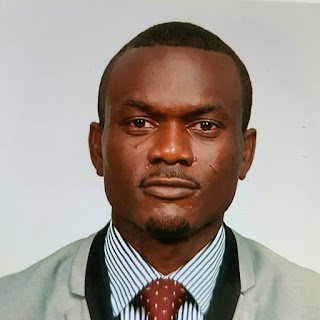
Reports reaching our newsroom suggest that Achere Humphrey Nkongho, a native of Kembong and an executive leader of the Southern Cameroon National Council (SCNC), is being cited by multiple government officials as a contributing factor to the village’s prolonged educational shutdown.
Achere Humphrey Nkongho, who is currently seeking asylum in the United States, is known for his activism advocating for the independence and political rights of Cameroon’s English-speaking minority.
According to government-linked sources, Nkongho’s activism allegedly led to heightened military attention on Kembong, allegdely culminating in a December 2017 military operation during which most of the village was burned to ashes.
Independent reports and findings from human rights organizations corroborate that Kembong suffered significant destruction during security operations aimed at countering separatist activity.
Multiple homes were set ablaze, civilians were allegedly killed or detained, and widespread displacement followed.
Achere Humphrey's own family home was among those destroyed, leaving surviving relatives displaced and reportedly under persistent pressure from security forces.
His asylum application in the United States has further drawn attention to the broader risks faced by activists and their families in conflict-affected areas, raising questions about protection, accountability, and the long-term social and political consequences of military interventions in Cameroon’s Anglophone regions.
Sources also indicate that Achere Humphrey left behind family members who continue to face intense scrutiny from Cameroonian authorities.
Reports say his father was detained shortly after Nkongho’s departure to the United States and subsequently transferred to Kondengui Central Prison in Yaoundé, one of the country’s most secure detention facilities.
His brother, Achere Carl, has reportedly been subjected to repeated arrests, interrogations and torture over alleged possession of separatist documents which Achere Humphrey left with him. Achere Humphrey’s uncle, Morland Achere, was allegedly abducted in Nigeria before being transferred to Cameroonian custody.
Human rights organizations have documented similar cross-border incidents, including the 2018 arrest and detention of separatist leader Sisiku Ayuk Tabe Julius in Nigeria.
Analysts note that prominent SCNC figures such as Achere Humphrey are under heightened surveillance by security forces and that family members often bear the consequences of an activist’s political engagement.
While Achere Humphrey claims of persecution align with documented patterns of arbitrary arrests, disappearances, and military operations in Anglophone regions, the Cameroonian government maintains that such measures are necessary to preserve national security and counter armed separatist threats.
The situation in Kembong underscores the broader humanitarian toll of the Anglophone crisis, where political activism carries risks not only for individuals but also for families and entire communities. Residents of Kembong and surrounding areas continue to report disruption, fear, and uncertainty, with education among the most severely affected sectors.
Human rights reports estimate that the Anglophone conflict has resulted in more than 6,000 civilian deaths, displaced over one million people, and left thousands missing, with no confirmed information about their whereabouts.
The pressing question remains: how can Kembong and other affected communities return to normalcy so that students and pupils can safely return to school? Education is a fundamental human right, and there is little room for its denial in the 21st century.
Rather than attributing blame solely to activists, stakeholders are urging the government to prioritize durable solutions that restore stability, rebuild trust, and allow life especially education to resume in Kembong and across Cameroon’s Anglophone regions.

Comments
Post a Comment